3 May 2026
Mushroom Spore Prices: How to Compare UK Suppliers Fairly
Why Price Alone Doesn’t Tell the Full Story in Mushroom Spore Purchases
When researching mushroom spores across UK suppliers, it’s easy to let price dominate your decision—but focusing solely on cost can compromise both your results and compliance. With growing interest in mycology in towns like Bognor Regis, Chichester, and beyond, enthusiasts are realising that true value lies in consistency, legality, and lab-grade handling, not just the lowest pound sign. A slightly higher price often reflects sterile preparation in controlled environments, accurate strain genetics, and temperature-regulated storage—all critical for reliable microscopy work.
What you’ll learn in this guide goes beyond shopping lists. You’ll discover how to assess vendor credibility, decode strain descriptions, and avoid common pitfalls like contamination or delayed delivery. We’ll compare UK-based versus international suppliers, outline red flags in packaging and claims, and explain why refrigerated transit matters for long-term spore viability. Whether you're sourcing Psilocybe cubensis syringes for morphological study or building a reference library, understanding the full picture—from preparation to post-delivery handling—will ensure your research remains scientifically sound and within UK legal boundaries.
Understanding Syringe Size: How Volume Affects Your Microscopy Research
When selecting spore syringes for microscopy in the UK, size matters—but not in the way most beginners assume. The volume of a spore syringe (1ml, 5ml, or 10ml) doesn’t alter spore concentration or quality, but it does influence usability, storage, and value across research settings in Bognor Regis and beyond.
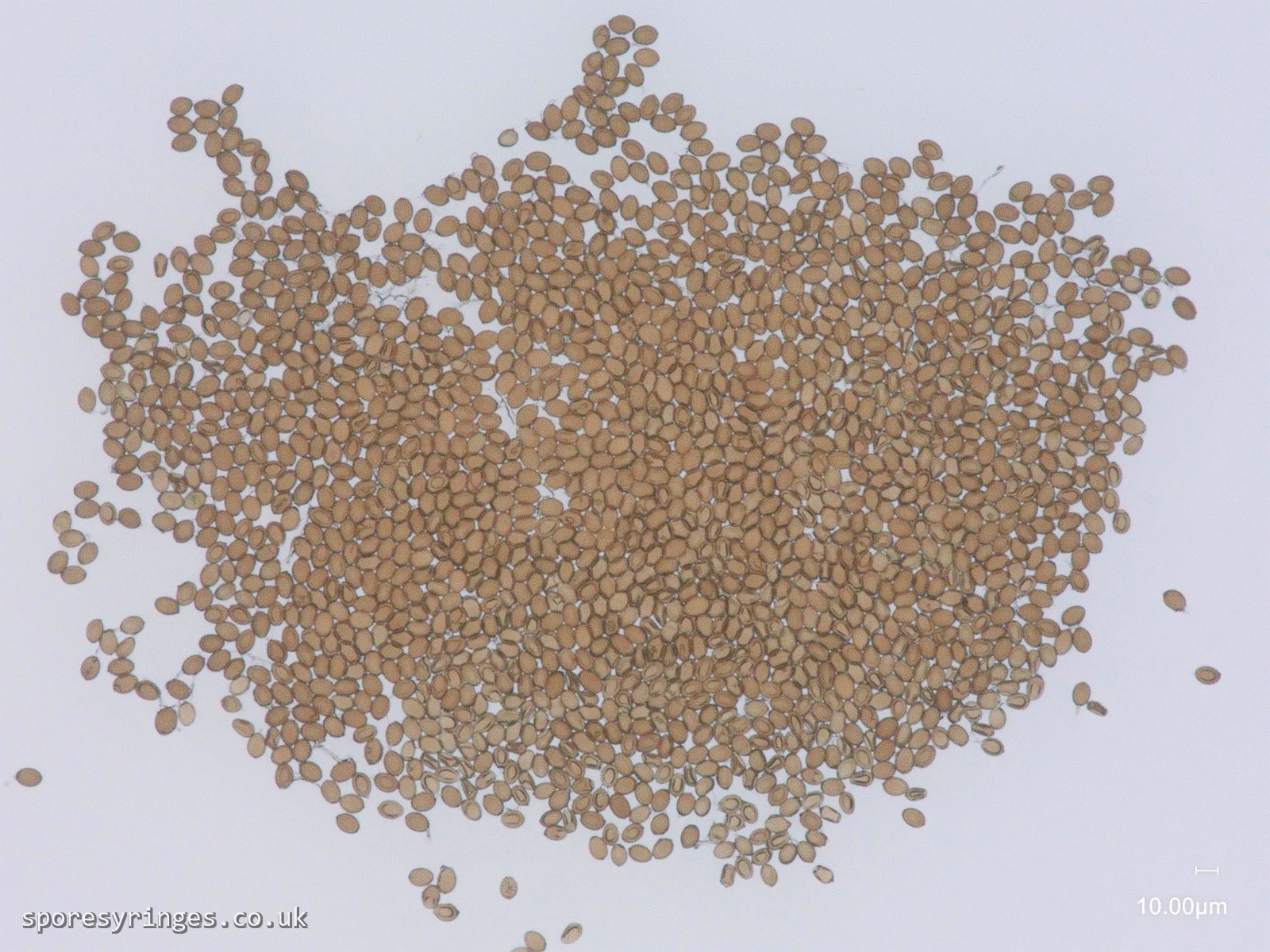
A 1ml syringe is ideal for precision work. It delivers just enough solution for multiple microscope slides without waste, making it a top choice for researchers in Sussex who prioritise controlled, infrequent use. These compact syringes are also easier to store and transport, fitting neatly in refrigerated compartments alongside other lab supplies.
In contrast, 5ml syringes strike a balance between practicality and economy. Suitable for regular microscopy sessions, they reduce the need for frequent reordering—especially beneficial for researchers conducting comparative strain analysis. With enough volume for dozens of slides, they’re a popular option across England for both novice and experienced users.
The 10ml syringe, while cost-efficient per millilitre, is best suited for high-frequency study or those sharing samples within ethical research groups. However, larger volumes increase the risk of degradation if not stored properly, so prompt refrigeration after use is essential.
Ultimately, the right choice depends on your research frequency, storage capability, and precision needs—not just price per unit. Always verify that volume labelling matches actual dispensed amounts, and prioritise sterile, pre-measured syringes for UK-compliant, batch-checked results.
How Strain Naming Influences Mushroom Spore Pricing Across the UK
Understanding how strain names impact pricing is key to making educated decisions when sourcing spores for microscopy research. Many buyers assume all Psilocybe cubensis syringes are equal, but subtle differences in naming can reflect major variations in rarity, seasonal availability, and geographic origin—each directly affecting cost. Here are the top three ways strain nomenclature shapes price points across UK suppliers.
- Rare or Exotic Strain Names Command Premium Rates
Strains advertised with unique or exotic identifiers—such as “Dragon’s Dynamite” or “Atlantis Spore Collective”—often carry higher price tags due to perceived scarcity. These names suggest limited lineage or exclusive genetics, even if unverified. Researchers should critically assess whether the premium justifies the novelty, especially when standard strains like B+ or Golden Teacher offer consistent, well-documented morphology at lower costs.
- Seasonal Strain Availability Drives Price Fluctuations
Certain strains are marketed only during specific times of the year, creating artificial scarcity. For example, "Autumn Reserve" or "Winter Harvest" designations may limit supply windows, increasing demand and driving prices up. Buyers can save by planning purchases around known cycles and choosing stable, year-round options where possible.
- Clear Origin Labelling Adds Value and Justifies Cost
Strains with precise lineage details—such as “Z-Strain (Vietnamese Origin)” or “Albino A+: Thailand Isolate”—tend to cost more because they offer traceability and genetic clarity. This level of detail supports scientific accuracy in spore analysis and appeals to serious researchers seeking reproducible results. Prioritising transparently named strains ensures you’re paying for documented heritage, not just marketing flair.
How to Assess Shipping & Delivery for Mushroom Spores in England
When ordering mushroom spores for microscopy research in England, shipping conditions directly impact spore viability and legal compliance. Follow these steps to evaluate delivery options effectively.
- Confirm UK-Based Dispatch
Choose suppliers who ship from within England or the wider UK to minimise transit time. Domestic shipping reduces exposure to customs checks and temperature extremes, ensuring faster, more predictable delivery—typically within 2–3 business days.
- Check for Discreet Packaging Practices
Ensure the supplier uses plain, unmarked envelopes or boxes with no indication of contents. This maintains privacy and aligns with responsible handling standards for sensitive research materials.
- Verify Temperature-Controlled Shipping
Spores degrade when exposed to heat or cold. Look for suppliers who use insulated thermal mailers with cold packs or temperature-stable inserts, especially during summer or winter months.
- Review Delivery Guarantees
Opt for vendors offering tracked Royal Mail or courier services. Tracking allows you to monitor the package and arrange prompt refrigeration upon arrival.
- Inspect Upon Arrival
Once delivered, immediately check that the syringe feels cool and remains sealed. Store it at 2–8°C without delay to preserve integrity. Any signs of warmth, swelling, or contamination mean the cold chain was likely broken.
Why Ongoing Supplier Support Matters More Than You Think
When comparing mushroom spore suppliers across the UK, price and strain variety often take centre stage—but long-term value hinges on something less visible: supplier support. Responsive customer service, viability guarantees, and access to educational resources can make the difference between a one-time purchase and a reliable research partnership. For microscopy enthusiasts in Bognor Regis and beyond, prioritising vendors with strong after-purchase support ensures confidence, safety, and continuity in your mycological work.
A responsive help team offers immediate assistance if issues arise—whether it’s a delayed shipment to West Sussex or concerns about syringe clarity upon arrival. Look for suppliers who provide timely communication via email or contact forms, especially those who offer guidance on storage, handling, and legal compliance specific to UK regulations.
Viability guarantees, such as replacements for compromised syringes stored correctly, reflect a supplier’s confidence in their sterile preparation and cold-chain logistics. These assurances protect your investment and reinforce trust.
Finally, access to strain-specific documentation, microscopy tips, and storage best practices empowers informed decision-making. Suppliers who share practical, science-backed insights help you maintain sample integrity and improve observational accuracy—whether you're based in Chichester, Littlehampton, or elsewhere in Sussex.
5-Point Checklist: How to Fairly Compare UK Mushroom Spore Suppliers
When researching mushroom spores in the UK—especially if you're based in areas like Bognor Regis, Chichester, or across Sussex—it's essential to compare suppliers using a structured, factual approach. With increasing interest in mycology and microscopy, the market has grown, but not all providers meet the same standards. To ensure you're getting research-grade spore syringes that are viable, sterile, and accurately documented, use this 5-point checklist as a clear framework for fair comparison.
- Syringe Size and Spore Concentration
Pay close attention to the volume of the spore syringe and its concentration, usually measured in mL (e.g., 10mL or 20mL). A larger syringe doesn’t always mean better value—what matters is the spore density and whether the solution is evenly suspended. High-quality preparations use sterile distilled water and gentle agitation to prevent clumping. Compare labels that specify spore density and avoid suppliers who don’t list volume or suggest “stronger” syringes without data—this can be misleading.
- Strain Accuracy and Labelling
Accurate strain identification is crucial for consistent research results. Look for suppliers who clearly name strains (e.g., Psilocybe cubensis Golden Teacher, B+) and provide associated spore morphology details like size, shape, and colour under microscopy. Vague or branded names without biological context often signal poor documentation. Reliable vendors avoid cultivation terms and confirm their products are for microscopy use only.
- Shipping Terms and Delivery Methods
Transparent shipping policies reveal a lot about a supplier’s professionalism. Prioritise services offering tracked delivery via Royal Mail or courier, discreet packaging, and cold-chain options. Delivery time to West Sussex should typically be 2–5 business days. Avoid suppliers who don’t offer tracking, refrigeration during transit, or clear dispatch timelines—these omissions can compromise spore integrity.
- Storage Conditions Pre- and Post-Shipment
Spore viability depends heavily on temperature control. Reputable UK suppliers store spore syringes at 2°C–8°C before dispatch and use insulated packaging to maintain stability. If a vendor doesn’t state their refrigeration practices, assume the syringes may have been exposed to heat, which can degrade DNA and reduce effectiveness under the microscope.
- Customer Support Responsiveness and Clarity
Strong customer support reflects accountability. Test responses to pre-purchase questions: do they clarify legality, storage, and usage guidelines clearly? Are they prompt, factual, and helpful—without promoting germination? Suppliers who communicate professionally and avoid ambiguous claims are more likely to provide reliable, compliant research materials.
Make Your Mycology Research Count: Smart, Responsible Choices Start Here
Armed with the right knowledge, sourcing high-quality mushroom spores in the Bognor Regis area—and across England—becomes a straightforward, compliant process. Remember, legality hinges on use: spores must be acquired and maintained strictly for microscopy and non-germinative research. Always confirm that your supplier labels products clearly for scientific purposes and avoids any suggestion of cultivation.
When evaluating vendors, prioritise three core pillars:
- Sterility and packaging integrity – Ensure syringes arrive sealed, refrigerated, and free of contaminants.
- Strain accuracy and transparency – Choose suppliers who provide detailed strain information and preparation dates.
- Responsible shipping and support – Opt for UK-based providers offering tracked, discreet delivery and responsive customer service.
Storage is just as crucial as sourcing—keep spore syringes refrigerated at 2–8°C, shielded from light, and clearly labelled. Start small, test one strain at a time, and document your findings to build reliable, repeatable research practices.
For hobbyists in Bognor Regis, Manchester, or beyond, staying informed is your best tool. Engage with local mycology communities, stay updated on regulatory expectations, and let scientific curiosity guide your journey—safely and ethically.
Take the next step with confidence: research responsibly, store properly, and keep learning.