28 April 2026
Spore Print vs Spore Syringe – Which Is Best for Microscopy UK
Blog: Spore Print vs Spore Syringe – Which Is Best for Microscopy?
Learn the key differences between mushroom spore prints and spore syringes. Discover which option is best for microscopy and taxonomy in the UK.
Introduction
If you’re new to studying mushroom spores under the microscope, you’ve likely seen both spore prints and spore syringes for sale. But what’s the difference—and which is best for your microscopy research?
At www.sporesyringes.co.uk, we specialise in both formats, helping UK researchers explore fungal genetics legally and safely.
What Is a Spore Print?
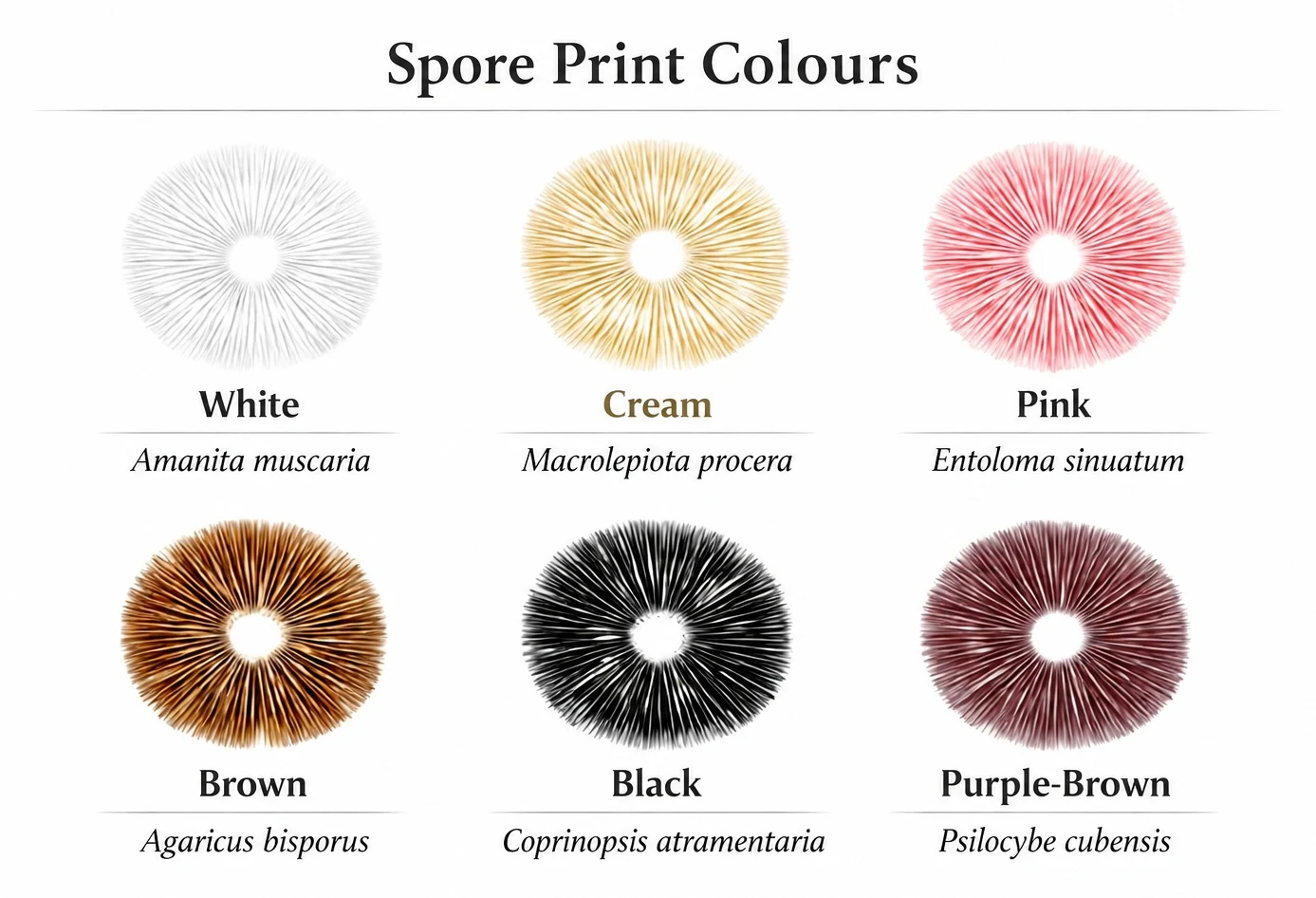
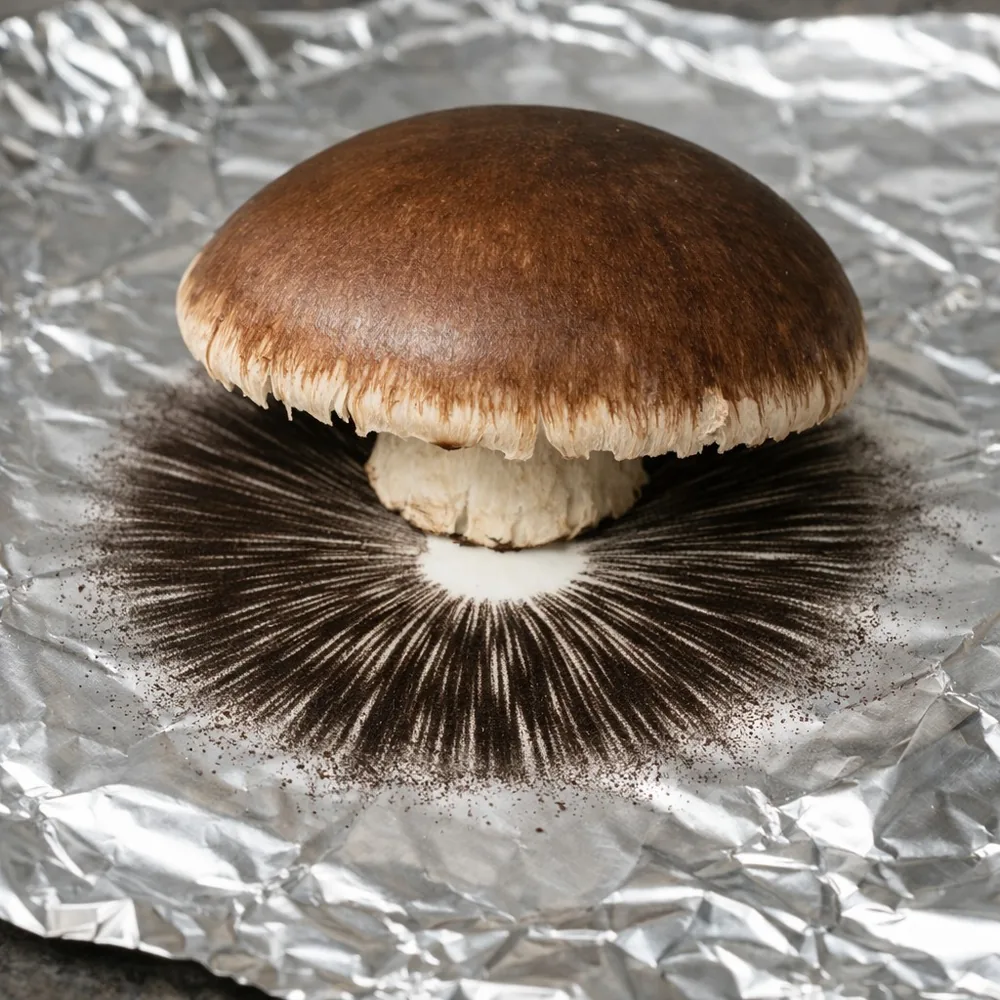
A spore print is a natural deposit of mushroom spores collected on foil or paper. Each print captures the unique colour, pattern, and density of the species. They’re ideal for archival collections, taxonomic comparison, and long-term study.
Pros:
- Long shelf life (when stored dry and sealed)
- Excellent for visual identification and strain preservation
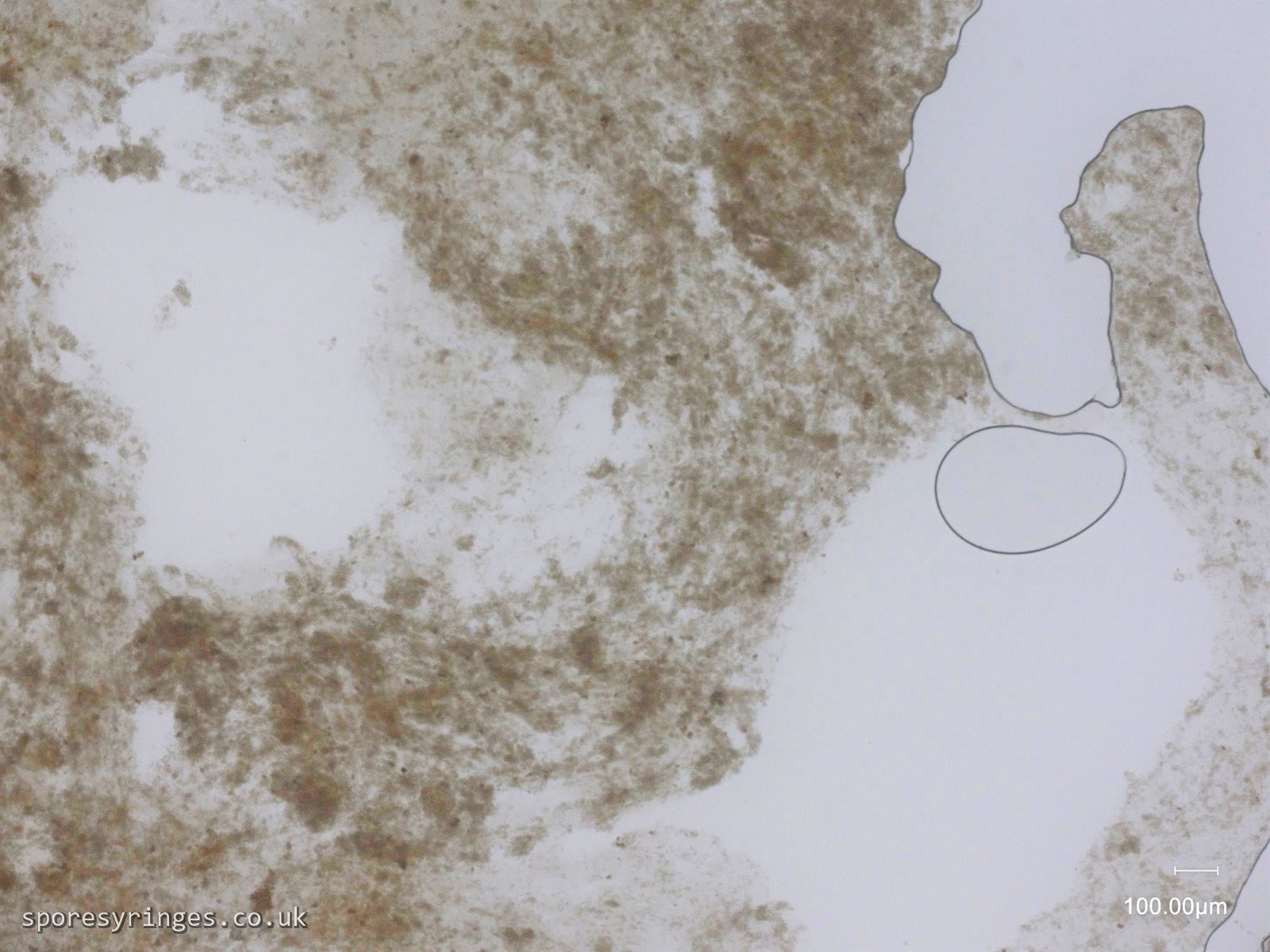
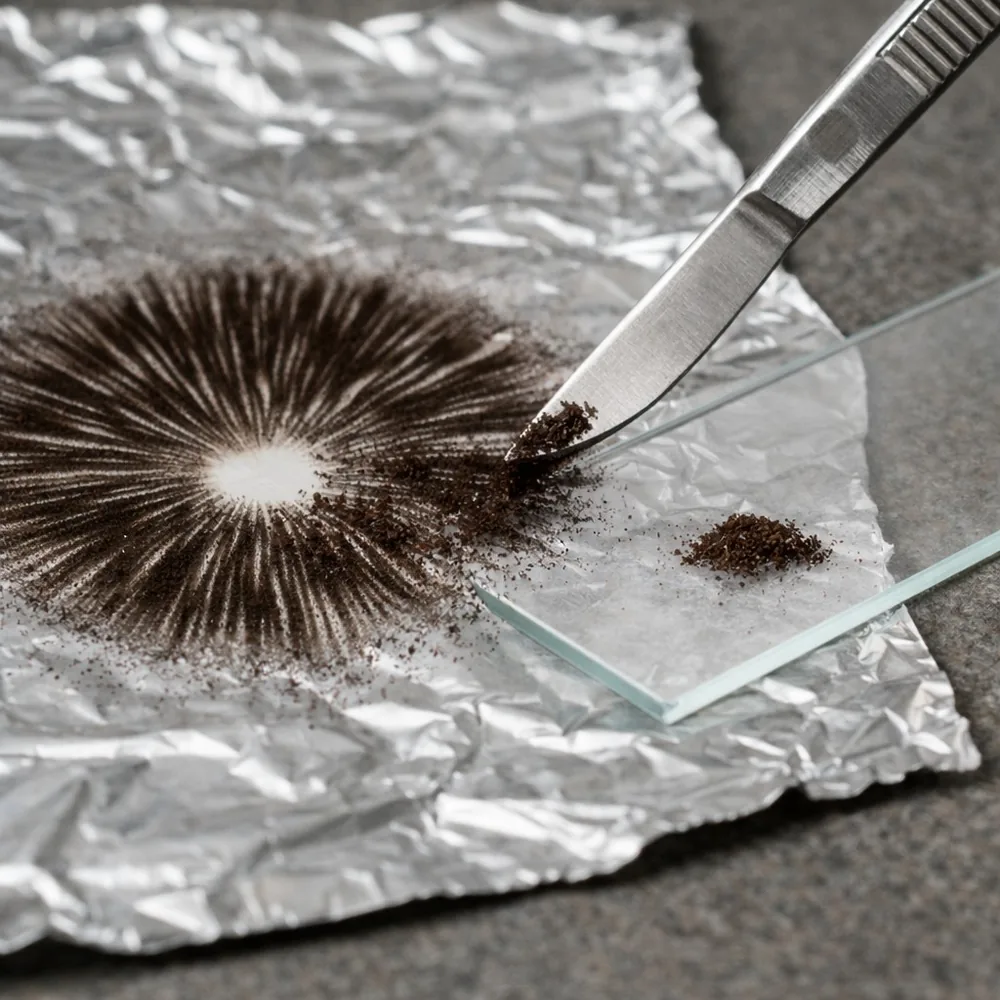
- Suitable for microscopic slide scraping
Cons:
- Requires sterile technique to prepare slides
- Not ready-to-use without rehydration or swabbing
What Is a Spore Syringe?
A spore syringe contains a sterile water solution filled with microscopic spores. It’s an easy, ready-to-use format for research under a microscope.
- Ready for immediate microscopic examination
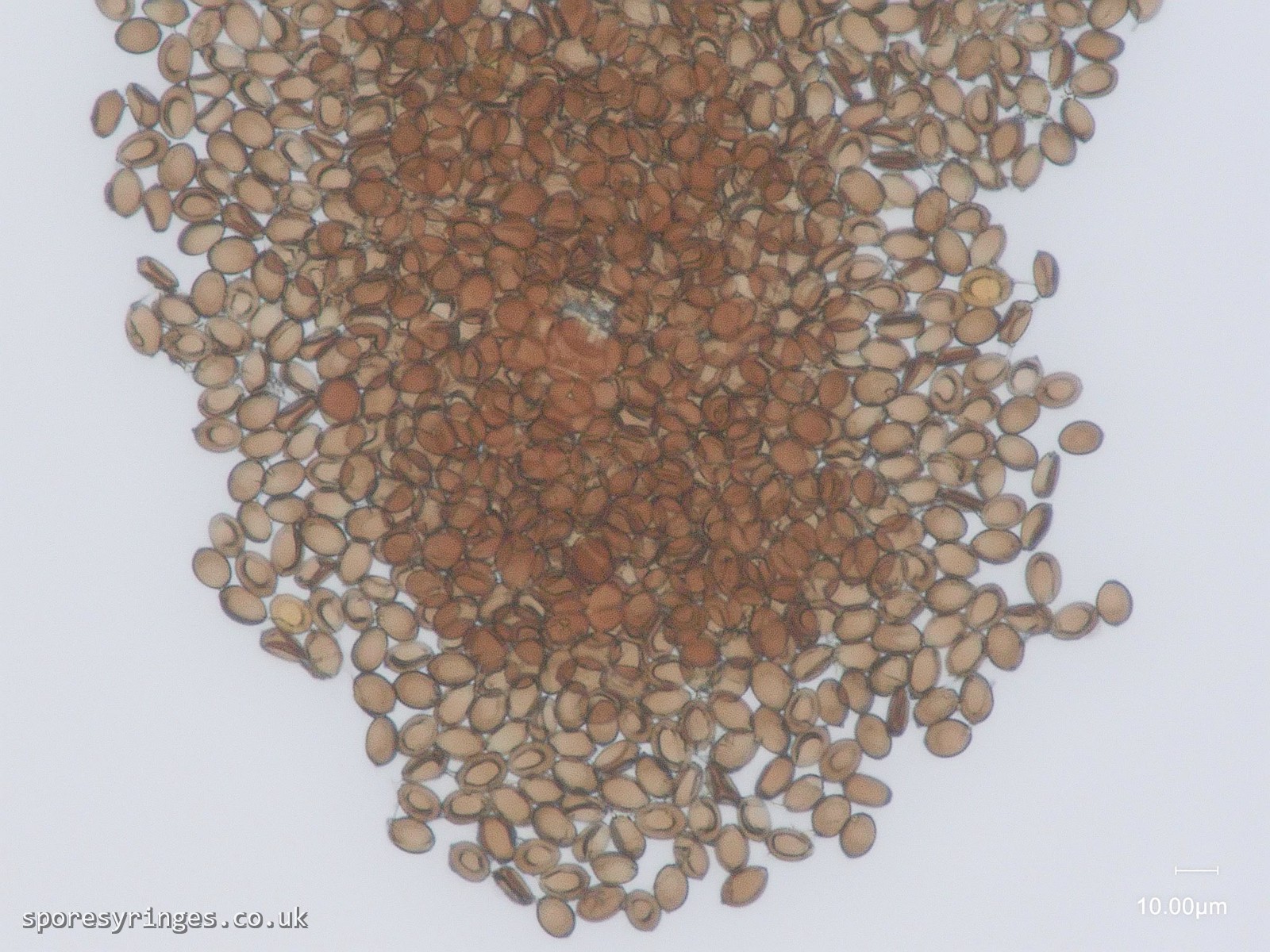
- Convenient, sterile, and beginner-friendly
- Allows even spore distribution across slides
- Shorter shelf life compared to dry prints
- Must be stored cool and dark to prevent contamination
Which Is Better for Microscopy?
For beginners, spore syringes are the easiest entry point. Simply place a droplet on a slide, cover with a slip, and observe.
For advanced researchers, spore prints offer more control and long-term sample preservation.
Both formats complement each other in a complete microscopy toolkit.
Quick Comparison
When comparing spore prints and spore syringes for microscopy, several key differences stand out. Spore prints keep for years when stored dry, dark and sealed, at room temperature or in the fridge, making them ideal for long-term archival research. They require a little more preparation, as the sample must be scraped onto a slide, and their sterility depends largely on the handler’s technique. In contrast, spore syringes have a shorter shelf life of around four to six months when refrigerated, but they come pre-sterilised and ready to use, providing convenience for immediate microscopy work. While spore prints are compact and easy to ship, syringes may require temperature control during transit. Overall, prints are best suited for collectors and taxonomic studies, while syringes are perfect for researchers who want quick, sterile slide preparation.
Microscopy Insight
Researchers often use both methods together—examining fresh samples from syringes while preserving prints for genetic cataloguing. This dual-format approach helps build robust reference collections and species records.
Recommended Products
Legal Reminder
All spores sold on www.sporesyringes.co.uk are for microscopy and taxonomy only. Germination or cultivation is strictly prohibited under UK law.
Key Takeaway
Use spore syringes for instant microscopy and spore prints for reference collections. Both are legal, ethical, and educational tools that keep research compliant and fascinating.