2 May 2026
Understanding Liquid Culture – Growth in Motion
Discover how liquid culture works in mycology. Learn how spores germinate in nutrient solution and why liquid culture speeds up research and agar inoculation.
Understanding Liquid Culture – Growth in Motion
Intro (SEO-Optimised)
A liquid culture (LC) is a nutrient-rich solution used to grow fungal mycelium from spores or agar samples. At SporeSyringes.co.uk, we supply pre-sterilised 450 ml liquid culture jars ready for inoculation. This guide explains what liquid culture is, how it works, and how it benefits microscopy and mycology research in the UK.
What Is Liquid Culture?
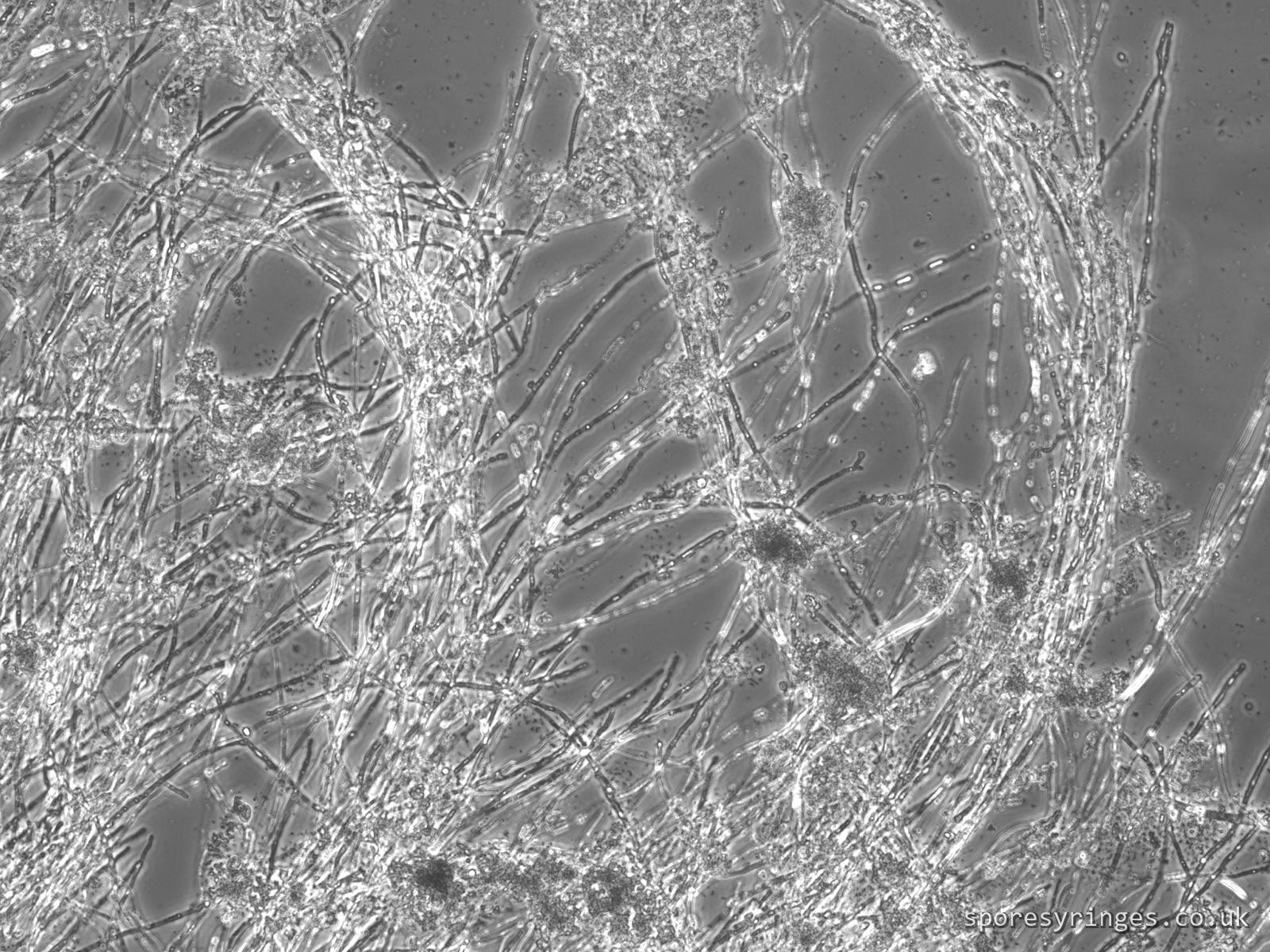
Liquid culture consists of sterile water mixed with sugars (such as malt extract or honey) that feed the developing mycelium. Once inoculated, the spores germinate and spread through the liquid, forming suspended mycelial strands.
Why Use Liquid Culture Instead of Agar?
- Faster colonisation and visible growth within days
- Easy to store and reuse for multiple inoculations
- Ideal for transferring to grain bags or agar plates
How to Use Liquid Culture Jars
- Clean your workspace and tools.
- Inject 1–2 ml of spore solution through the jar’s injection port.
- Shake gently after 3–5 days to distribute growth.
- Observe under sterile conditions before further use.
Storing Liquid Culture
Keep at room temperature for active growth, or refrigerate at 4°C to pause mycelial development for later study.
Where to start
Explore our ready-made liquid culture range:
→ Sterilised Liquid Culture Jars with Air Space